
Magnesium glycinate vs citrate vs oxide: which one and when.
Same mineral, very different experience. Oxide is cheap and mostly a laxative. Citrate suits a pre-workout. Bisglycinate suits the evening. How to read the elemental dose and match form to timing.

The form of magnesium on the label decides how much you absorb and what it does to your stomach. Magnesium oxide is cheap, poorly absorbed and mostly acts as a laxative. Magnesium citrate is well absorbed and mixes easily, which makes it a good choice for an electrolyte or pre-workout. Magnesium bisglycinate is well absorbed, gentle on the gut and the one most people use in the evening. Same mineral, very different experience.
- Oxide: cheap, around 4% absorbed, loosens the bowels. Avoid unless that is the goal.
- Citrate: well absorbed, slightly laxative at high doses, dissolves cleanly. Good in a pre-workout.
- Bisglycinate: well absorbed, no stomach effect, bulky. The evening and recovery form.
- The dose that matters is elemental magnesium, not the weight of the compound. 200mg of magnesium from bisglycinate is about 1.4g of powder.
Why does magnesium matter for people who train?
Magnesium is used in hundreds of reactions, including the ones that make energy and the ones that let a muscle contract and relax. The authorised UK claims cover exactly that ground: magnesium contributes to normal muscle function, to electrolyte balance, to normal energy-yielding metabolism, and to the reduction of tiredness and fatigue. You lose some in sweat and the UK diet is often short of it. Fighters, who sweat heavily and often under-eat during a cut, are near the top of the list for running low.
What is the difference between the forms?
| Form | Elemental magnesium | Absorption | Gut effect | Best for |
|---|---|---|---|---|
| Magnesium oxide | ~60% | Poor (around 4%) | Laxative | Not much. Cheap filler. |
| Magnesium citrate | ~16% | Good | Mild loosening at high doses | Pre-workout, electrolyte drinks, daytime |
| Magnesium bisglycinate | ~14% | Good | None | Evening, recovery, sensitive stomachs |
| Magnesium malate | ~15% | Good | None | Daytime, similar to citrate |
| Magnesium L-threonate | ~8% | Good | None | Studied for the brain, expensive, low elemental dose |
The elemental column is the one people miss. "Magnesium bisglycinate 1,000mg" is about 140mg of actual magnesium. "Magnesium oxide 500mg" is about 300mg of magnesium, most of which you will not absorb. Read for the elemental figure and the percentage of NRV (the reference intake), which honest labels print.
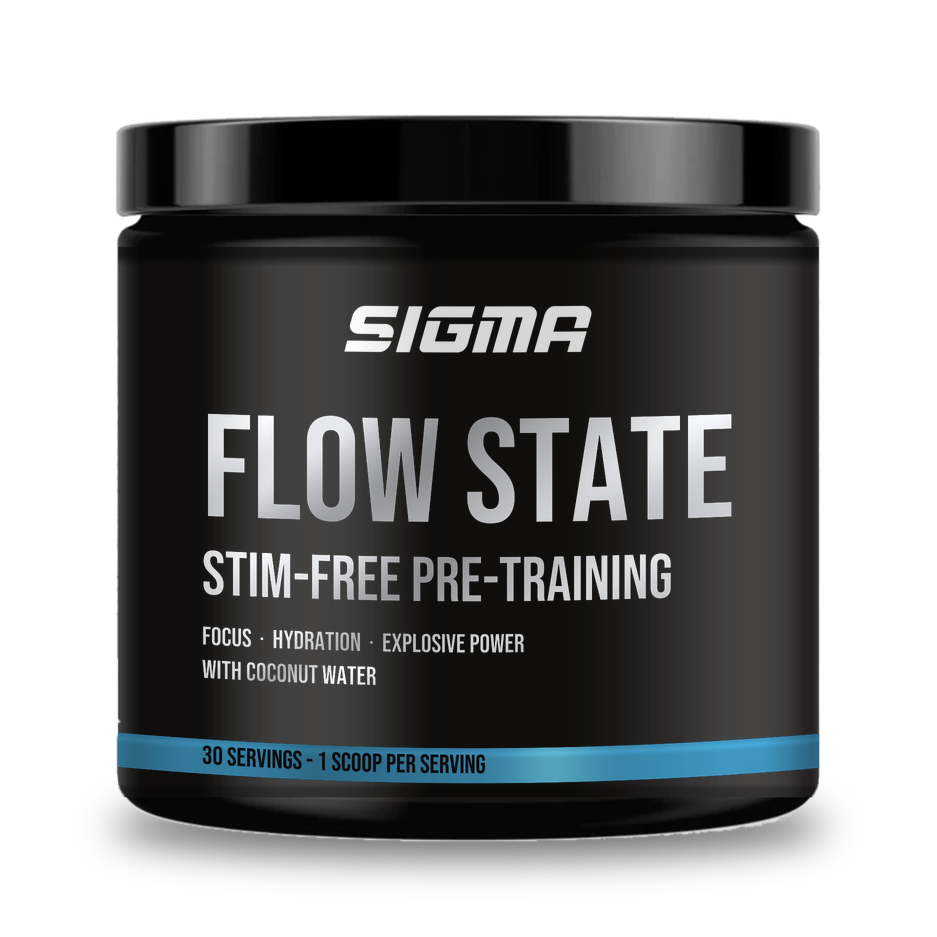
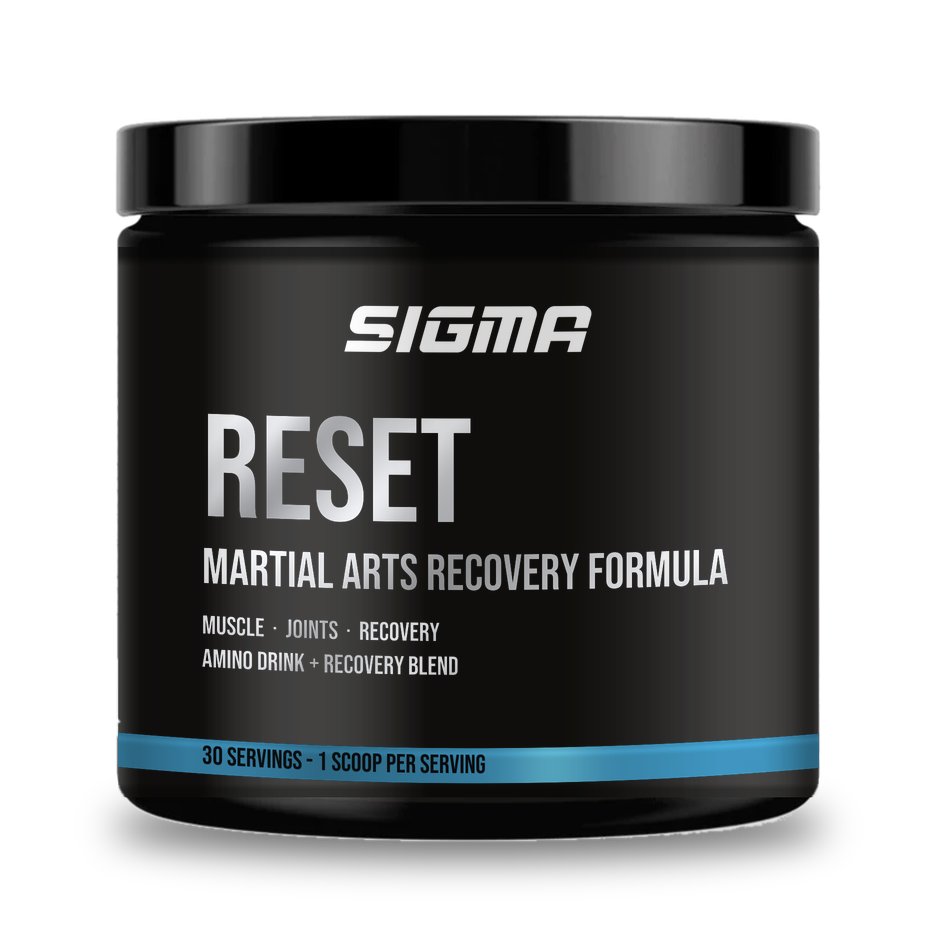
is the UK reference intake for magnesium. Flow State gives 100mg from citrate before training and Reset gives 200mg from bisglycinate after it. Together that is 80% of the reference intake, from the two forms that suit each time of day.
Which form should you take before training?
Citrate. It dissolves cleanly in water, it is well absorbed, and at 100mg it sits below the level where the mild laxative effect shows up. It is part of the electrolyte load in Flow State alongside sodium and potassium, because magnesium contributes to electrolyte balance and you lose some in sweat. The point of having it in the pre-workout is that you start the session topped up.
Which form should you take in the evening?
Bisglycinate. Magnesium bound to glycine is absorbed without competing with other minerals, has no effect on the bowels, and glycine itself is a calming amino acid. That is why it is the form in Reset at 200mg, taken after training or before bed. It contributes to normal muscle function and the reduction of tiredness and fatigue, and it is the form people mean when they say magnesium helps them sleep.
Oxide, citrate, bisglycinate, malate. If no form is named, assume oxide.
"Providing 200mg magnesium" or a % NRV figure. If the label only gives the compound weight, divide by the percentages above.
Citrate or malate in the day, bisglycinate at night, oxide never.
Supplemental magnesium above about 400mg a day causes loose stools in most people, which is your body's way of saying enough. Total across Flow State and Reset is 300mg. If you take a separate magnesium supplement as well, count it.
Citrate in the day. Bisglycinate at night. Oxide never.
Does magnesium help with cramp?
If you are short of it, topping up helps muscle function. But most training cramp is sodium and fluid, not magnesium. Fix hydration first; magnesium is one part of it.
Does magnesium help you sleep?
In people who are low, restoring levels improves sleep in several studies. In people who are already replete, the effect is small. Bisglycinate in the evening is the sensible way to find out which you are.
Is magnesium legal for tested athletes?
Yes. It is a mineral. It appears on no prohibited list.
Flow State before. Reset after.
A stim-free pre and the martial arts recovery formula, built for people who train every day and get tested. Full doses, every one on the label, nothing from the WADA Prohibited List.
More from the journal.
Flow State explained: every ingredient and why it is there
A stim-free pre-training powder built for rounds, sweat and drug tests. Eleven actives, every dose on the label, and the reason each...
Read
Reset explained: the martial arts recovery formula
The martial arts recovery formula: an amino drink and a recovery blend in one scoop. Essential aminos for the muscle, then collagen,...
Read
Flow State before, Reset after: how the camp stack works
A fight camp has two problems: getting the most out of today and being able to train tomorrow. One tub each. How...
Read