
Does collagen help joints and tendons?.
The evidence says yes, at 10g a day with vitamin C, given twelve weeks. What the trials found, why vitamin C matters, when to take it and what collagen cannot do.

The evidence says yes, with conditions. Around 10g of hydrolysed collagen a day, taken with vitamin C, roughly an hour before you load the joint, has been shown in several trials to improve tendon and ligament outcomes and reduce activity-related joint discomfort over three to six months. It is not fast and it is not dramatic. But for anyone whose knees, elbows or wrists take a beating, it is one of the few supplements with real research behind it.
- Dose: 10 to 15g of hydrolysed collagen peptides a day. Not 2g.
- Take it with vitamin C, which contributes to normal collagen formation for cartilage and bones.
- Timing: 30 to 60 minutes before training the joint you care about, or daily if that is not practical.
- Judge it at 12 weeks. Connective tissue turns over slowly.
- It is not a protein source. 10g of collagen is not a meal.
What does collagen actually do in the body?
Collagen is the structural protein that tendons, ligaments, cartilage and skin are built from. Hydrolysed collagen peptides are that protein broken into small fragments so they can be absorbed. Once absorbed, the specific amino acids collagen is rich in, glycine, proline and hydroxyproline, become available in the blood. The theory, supported by a growing set of studies, is that having those building blocks available while a tendon is being loaded helps the tissue rebuild itself stronger.
What does the research say?
A 2017 study gave athletes 15g of gelatin with vitamin C an hour before jump-rope training. Collagen synthesis markers doubled compared to placebo, and engineered ligaments built with the athletes' blood were stronger.
A 24-week trial in athletes with joint pain from training found 10g of collagen a day reduced pain during activity compared to placebo.
Smaller trials in people with tendon problems have found collagen alongside a loading programme improved symptoms and structure over three to six months faster than the programme alone.
It does not repair a torn ligament, it does not replace rehab, and it does nothing for a joint you are not loading. The training is the stimulus; the collagen is the raw material.
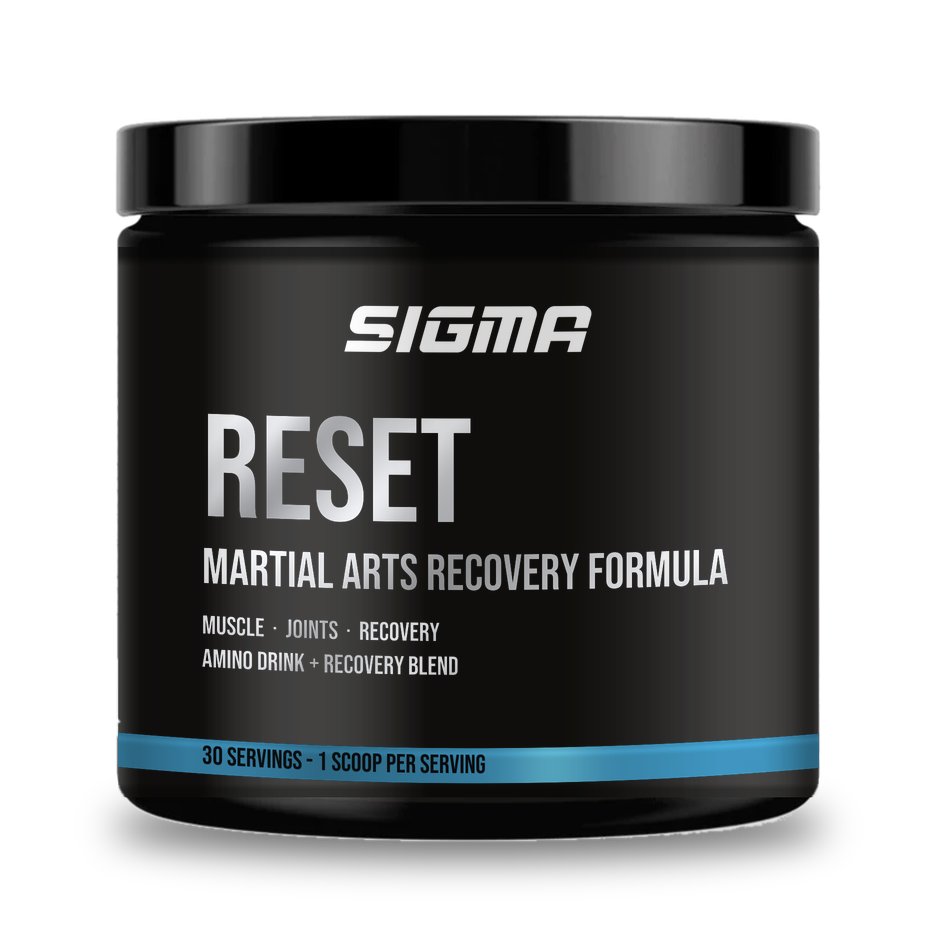
a day is where the research starts. Most "joint" supplements carry 1 to 3g of collagen, which is a rounding error. Reset carries 10g per scoop, with 200mg of vitamin C alongside it.
Why does vitamin C matter?
Because the body cannot make collagen without it. Vitamin C is a required cofactor for the enzymes that link collagen strands together, and the authorised UK health claim reflects that: vitamin C contributes to normal collagen formation for the normal function of cartilage and bones. Every serious collagen study includes it. A collagen supplement without vitamin C is leaving out the ingredient that does the joining.
When should you take collagen?
The timing research is specific: collagen taken 30 to 60 minutes before loading the joint raised the amino acids in the blood right when the tendon was being worked. If you can, take it before training. If your routine makes that impractical, daily collagen at any time still raises baseline levels and the longer trials that showed benefit did not control timing. Consistency again beats precision.
Combat sport is hard on connective tissue in a way most sports are not: joint locks, awkward landings, hundreds of impacts through the wrists and elbows, necks under load. Reset puts 10g of collagen, 200mg of vitamin C, zinc and vitamin D3 into the post-session scoop, which for most people is the routine that sticks. If you want the pre-loading timing, take it before pads instead. Either way, give it twelve weeks.
Hydrolysed bovine collagen is mostly type I and III, which are the tendon and ligament types. Type II is the cartilage type and is usually sold undenatured at tiny doses (40mg) for a different mechanism. For tendons and ligaments, the research is on hydrolysed type I/III at 10g plus.
Collagen is raw material. Training is the instruction.
Is collagen a good protein source?
No. It is low in the amino acids that build muscle and should not count toward your protein target. That is why Reset pairs its 10g of collagen with 10g of essential amino acids: the collagen feeds the tendons, the aminos feed the muscle.
Is bovine collagen halal?
It depends on the source. The status of the collagen in each batch of Reset is printed on the tub and product page.
Does collagen help skin too?
There is decent evidence for skin elasticity and hydration at 2.5 to 10g a day over eight to twelve weeks. It is not the reason it is in Reset, but it comes with the dose.
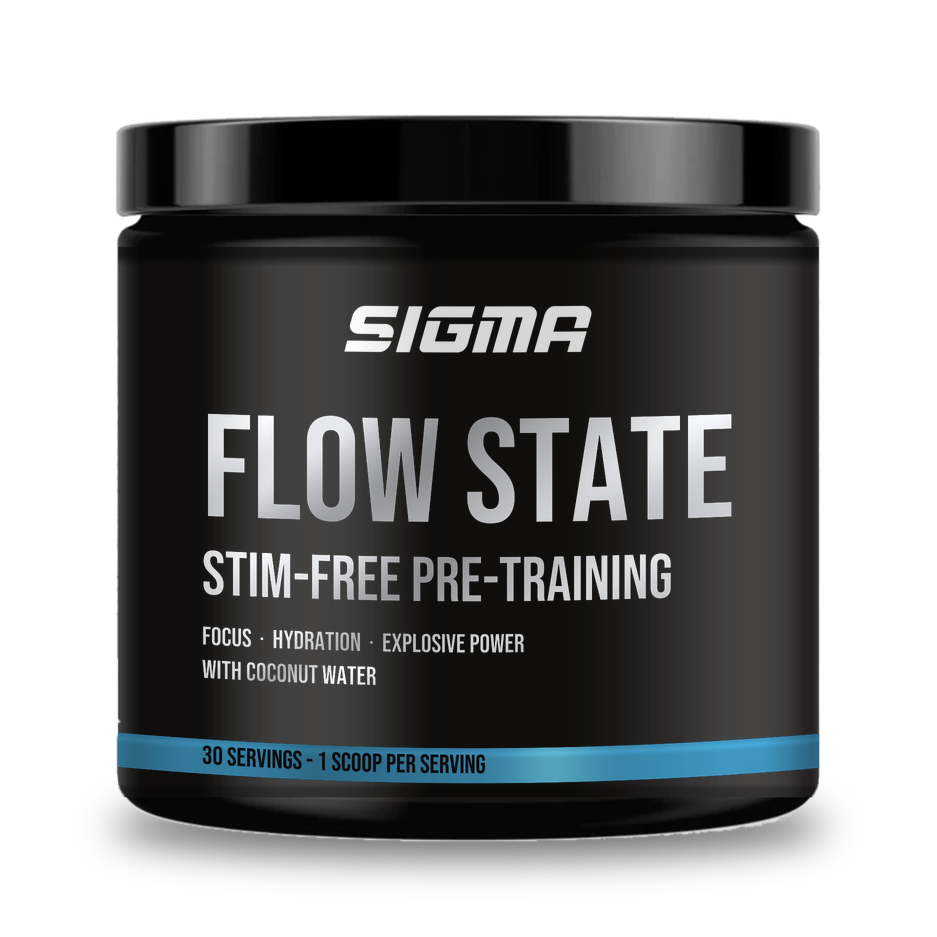
Flow State before. Reset after.
A stim-free pre and the martial arts recovery formula, built for people who train every day and get tested. Full doses, every one on the label, nothing from the WADA Prohibited List.
More from the journal.
Flow State explained: every ingredient and why it is there
A stim-free pre-training powder built for rounds, sweat and drug tests. Eleven actives, every dose on the label, and the reason each...
Read
Reset explained: the martial arts recovery formula
The martial arts recovery formula: an amino drink and a recovery blend in one scoop. Essential aminos for the muscle, then collagen,...
Read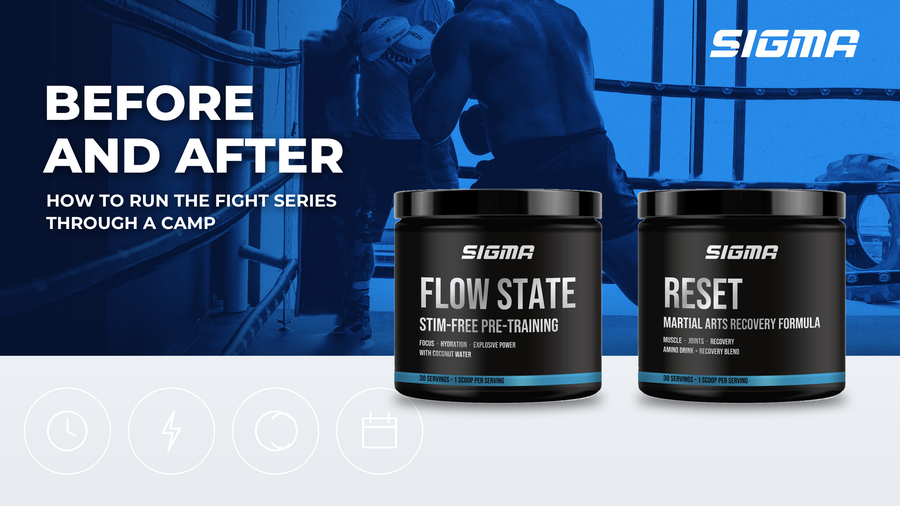
Flow State before, Reset after: how the camp stack works
A fight camp has two problems: getting the most out of today and being able to train tomorrow. One tub each. How...
Read