
Curcumin vs turmeric: why the form on the label matters.
Turmeric is 3% curcumin and plain curcumin is barely absorbed. The forms that actually get in, what the exercise research used, and how to read a curcumin label.

Turmeric is a spice. Curcumin is the active compound inside it, and there is not much of it: about 3% by weight. On top of that, plain curcumin is very poorly absorbed, so most of a turmeric capsule passes straight through you. Almost all the research that gives curcumin its reputation used specially formulated forms, such as curcumin bound to phospholipids or paired with black pepper extract, that the body can actually take up. If the label just says "turmeric", you are mostly buying colour.
- Turmeric powder is about 3% curcumin. A 500mg turmeric capsule has around 15mg of curcumin in it.
- Plain curcumin is barely absorbed. Blood levels after a normal dose are close to zero.
- Formulated curcumin (phytosome, with piperine, or micellar) is absorbed many times better and is what the studies used.
- Look for the form and the curcumin dose on the label, not the word "turmeric" on the front.
What is the difference between turmeric and curcumin?
Turmeric is the root, dried and ground. Curcumin is one of a family of compounds called curcuminoids that give it the yellow colour, and it is the one that has been studied. A standard turmeric extract is concentrated to 95% curcuminoids, which solves the first problem. It does not solve the second, which is that curcumin is fat-soluble, unstable in the gut and rapidly cleared by the liver. Take 1g of plain 95% extract and very little reaches your blood.
of turmeric is curcumin. The rest is fibre, starch, oils and colour. Cooking with it is great. Expecting a teaspoon in a curry to do what a formulated extract does is not realistic.
Which forms of curcumin are actually absorbed?
| Form | How it works | Absorption vs plain curcumin |
|---|---|---|
| Plain turmeric powder | Ground root, ~3% curcumin | Baseline, and the baseline is very low |
| Standardised extract (95%) | Concentrated curcuminoids | More curcumin in, still poorly absorbed |
| With piperine (black pepper extract) | Slows the liver's clearance of curcumin | Roughly 20 times better in the classic study |
| Phytosome (e.g. Meriva) | Curcumin bound to phospholipids from sunflower or soy | Around 29 times better on total curcuminoids in human data |
| Micellar / liposomal | Curcumin wrapped in a fat-soluble carrier | Very high, with less long-term research |
Any of the last three is a reasonable choice. Phytosome forms have the longest track record in human trials, including the ones on exercise recovery, which is why Reset uses a phytosome-grade curcumin at 500mg rather than a larger dose of a form that would not get in.
What does the exercise research on curcumin show?
Several trials have given formulated curcumin around a hard session and measured soreness, muscle damage markers and strength recovery. The consistent finding is a modest reduction in next-day soreness and a faster return of performance, particularly after eccentric work like downhill running or heavy leg sessions. Doses ranged from 200mg to 1,500mg of formulated curcumin a day, most taken for a few days before and after. Nothing dramatic, nothing instant, but consistent, and that is more than most botanicals can claim.
Not "turmeric 1,000mg". You want "curcumin" or "curcuminoids" with a milligram number.
Phytosome, Meriva, with piperine or BioPerine, micellar, liposomal. If there is no form named, assume plain and poorly absorbed.
500mg of a phytosome is a research dose. 500mg of plain 95% extract is not, and 500mg of turmeric powder is a spice.
Curcumin is bright yellow and stains shakers, teeth and worktops. Rinse straight away. And it interacts with blood-thinning medication, so if you are on anticoagulants, ask your GP before taking any concentrated form.
If the label says turmeric, you are buying the spice.
Is turmeric with black pepper the same as a phytosome?
No. Both improve absorption, by different routes, and the phytosome route is better studied. If your product is turmeric powder plus pepper, the pepper is helping a very small amount of curcumin get in.
Can I just eat more turmeric?
You can, and it is good food. But to reach a research dose of curcumin from turmeric powder you would need something like 15 to 30g of the spice a day, and it would still be poorly absorbed.
Is curcumin legal for tested athletes?
Yes. It is a food component and appears on no prohibited list.
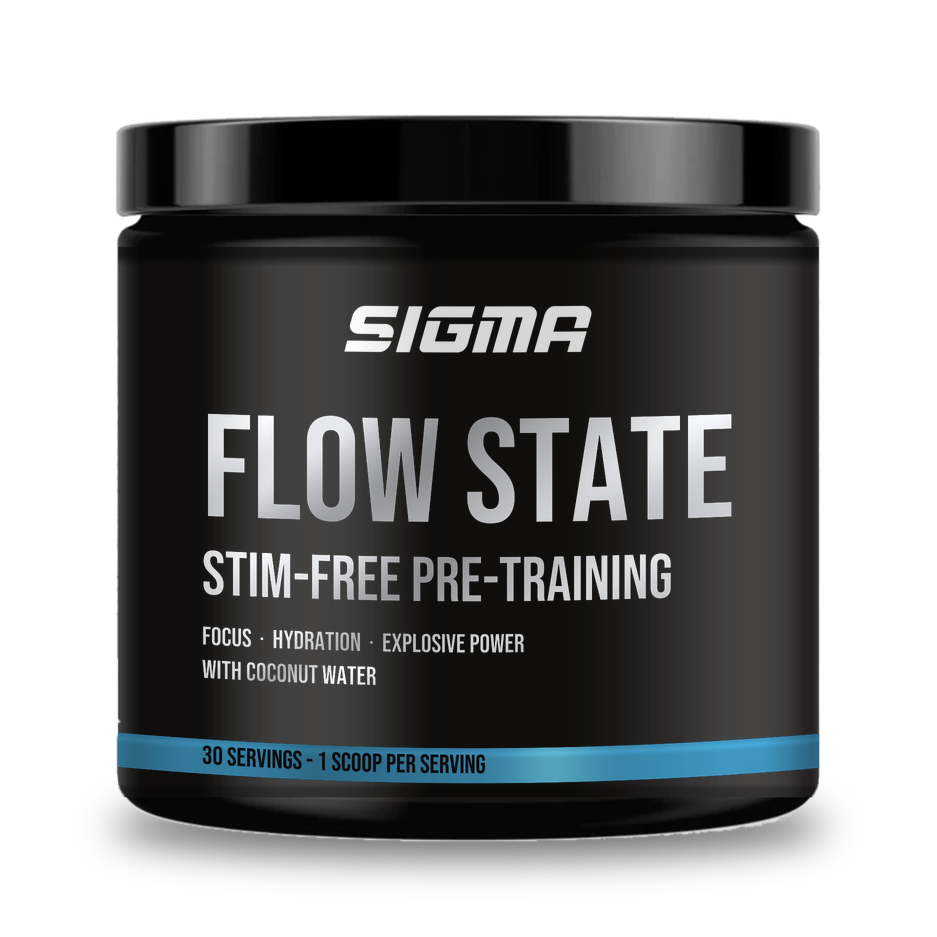
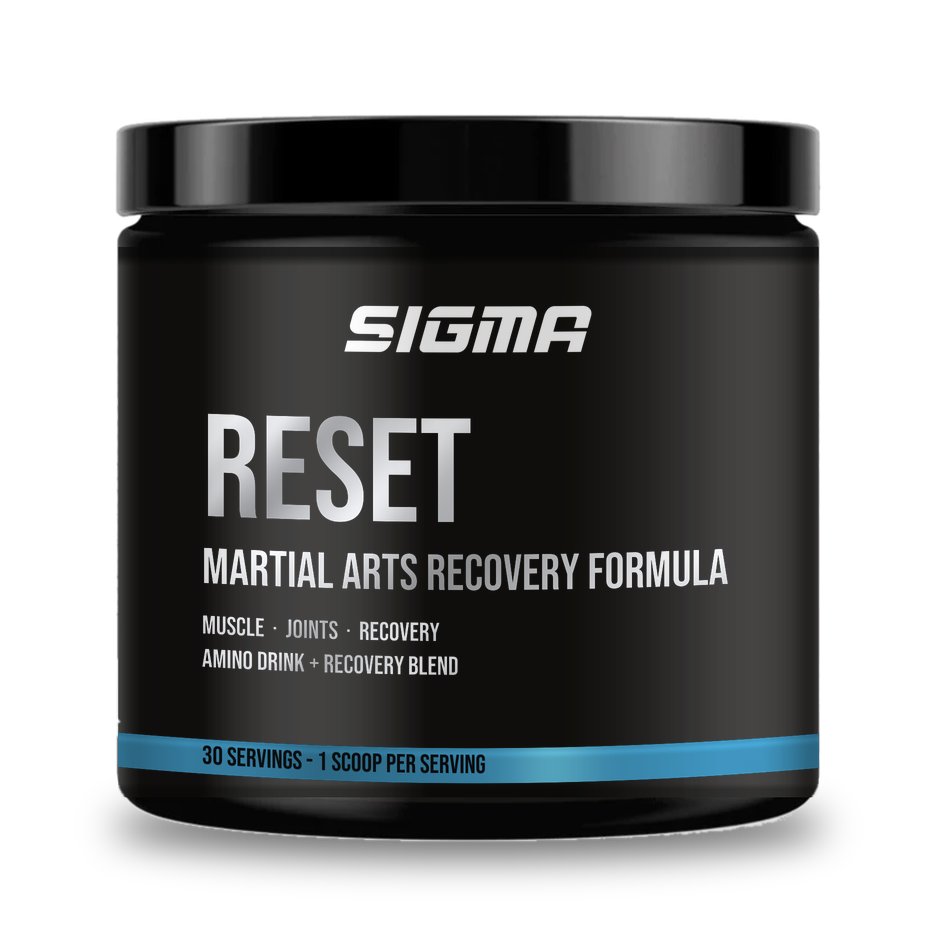
Flow State before. Reset after.
A stim-free pre and the martial arts recovery formula, built for people who train every day and get tested. Full doses, every one on the label, nothing from the WADA Prohibited List.
More from the journal.
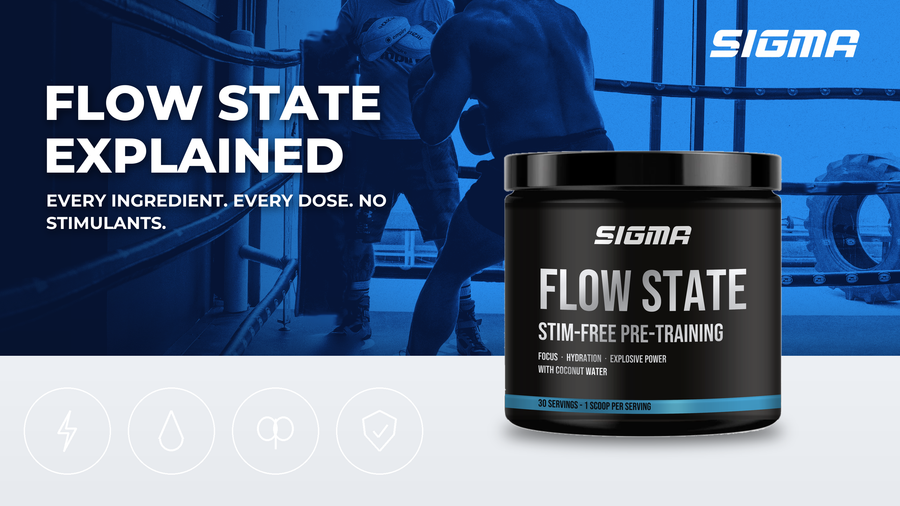
Flow State explained: every ingredient and why it is there
A stim-free pre-training powder built for rounds, sweat and drug tests. Eleven actives, every dose on the label, and the reason each...
Read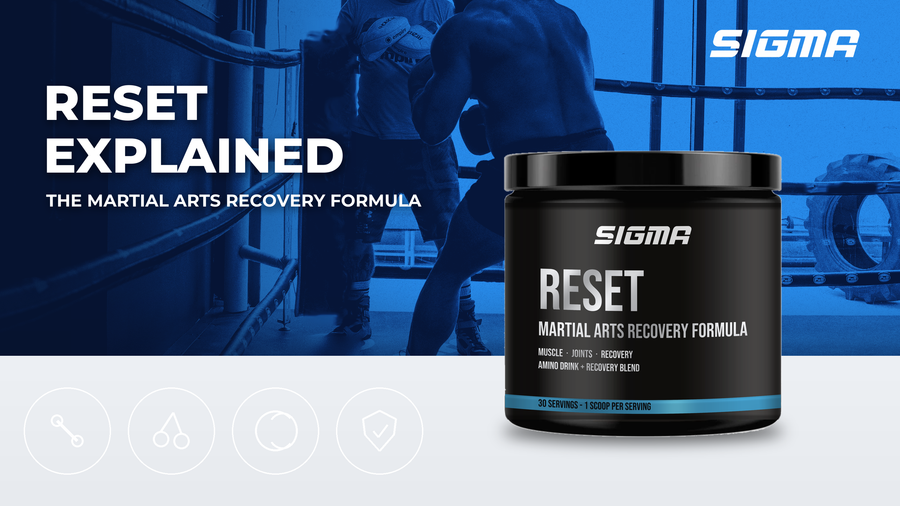
Reset explained: the martial arts recovery formula
The martial arts recovery formula: an amino drink and a recovery blend in one scoop. Essential aminos for the muscle, then collagen,...
Read
Flow State before, Reset after: how the camp stack works
A fight camp has two problems: getting the most out of today and being able to train tomorrow. One tub each. How...
Read